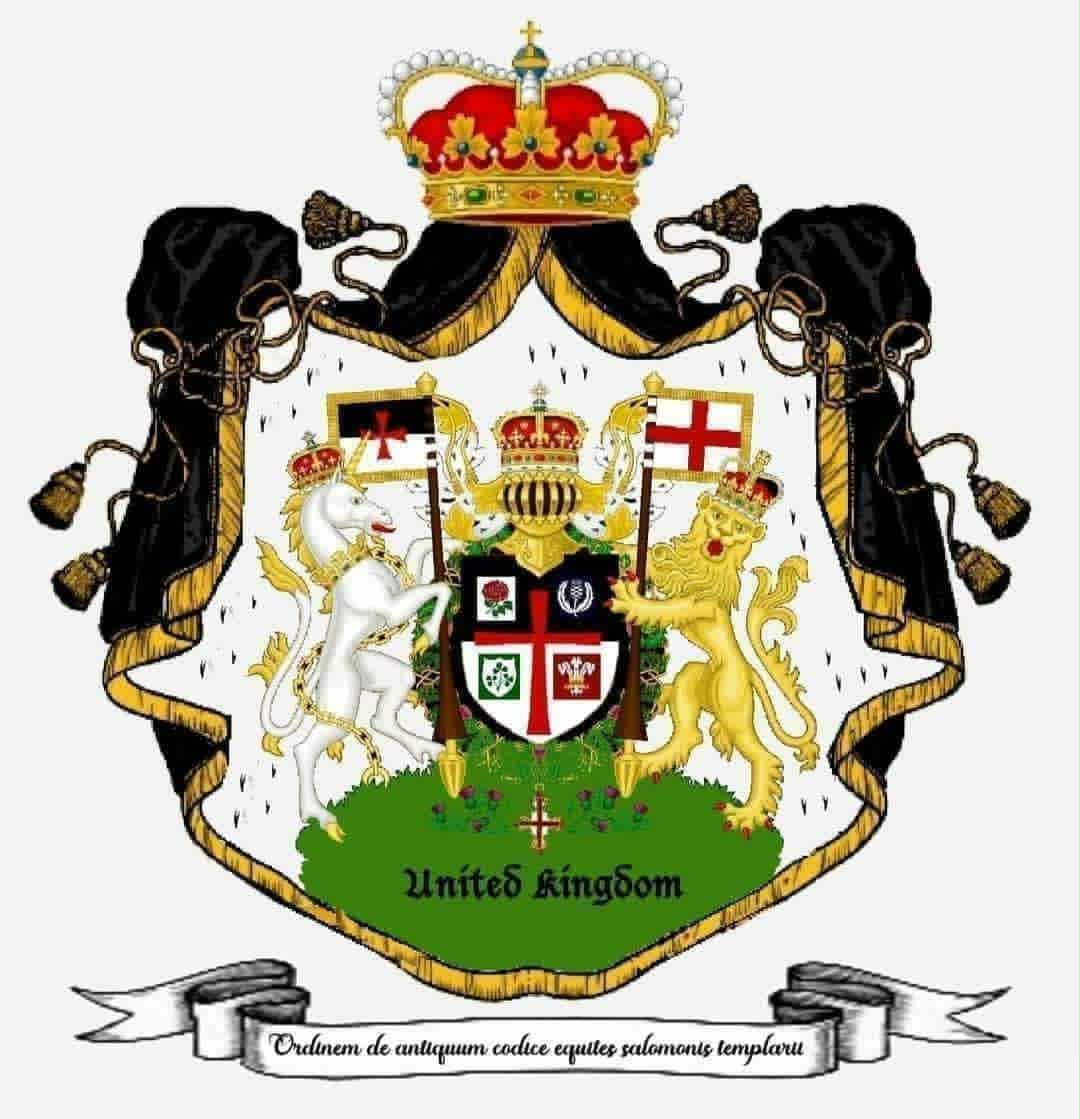
Order of the Knights Templar of the Old Code United Kingdom a non profit Organisation of the Ancient Christian Order of Knights and Dames
We hold to true forms of the Catholic faith in Jesus Christ, standing on the truth revealed by God in the bible. We strive with to uphold the Gospel of our Lord Jesus Christ with the strength from God.
The Chivalric and Monastic Vows of the Knights Templar
The Knights Templar, a medieval Christian military order founded in the early 12th century, were known for their distinct dual identity as both knights and monks. Their vows reflected this unique blend of chivalric duty and monastic discipline, making them one of the most remarkable organisations of their time. As monks, the Templars took solemn vows of poverty, chastity, and obedience, dedicating their lives to the service of God and renouncing personal wealth or ambition. As knights, they pledged to uphold the ideals of chivalry, including defending the Christian faith, protecting pilgrims, and fighting in the Crusades. These commitments required unwavering devotion, discipline, and sacrifice, setting the Templars apart as a force both feared and revered in medieval Europe. Their code of conduct was encapsulated in the Latin Rule, a detailed set of guidelines designed to govern their behaviour, strengthen their piety, and ensure the unity of the order. Today, the Knights Templar serve as a powerful symbol of dedication and purpose, embodying the fusion of martial prowess and spiritual commitment.
The Vow of Poverty Taken by the Knights Templar
The Knights Templar, a medieval Christian military order founded in the early 12th century, were well-known for their strict adherence to a monastic code. Central to their way of life was the vow of poverty, a solemn commitment that shaped their daily existence and distinguished them from secular knights. By taking this vow, Templar members renounced personal wealth, possessions, and worldly ambitions, dedicating their lives entirely to the service of God and the protection of pilgrims in the Holy Land. Their resources and wealth were held communally, managed for the benefit of their mission rather than individual gain. This vow not only reflected their spiritual devotion but also reinforced their image as disciplined and selfless warriors of faith. Despite their later association with significant wealth as an organisation, individual Templars lived austere lives, with modest food, clothing, and quarters, staying true to the principles outlined in their Rule. The vow of poverty exemplified their commitment to humility and their higher spiritual purpose, setting a model of sacrifice and dedication that has continued to capture the imagination of many throughout history.
The Knights Templars and Their Vow of Chastity
The Knights Templars, a medieval Christian military order established in the early 12th century, were bound by a strict code of conduct rooted in religious devotion and discipline. Among their vows was the vow of chastity, a solemn promise to remain celibate and abstain from any sexual activity. This commitment reflected their dedication to God and their mission of protecting pilgrims and defending the Holy Land. The vow of chastity was not only a spiritual undertaking but also a practical measure, ensuring that their focus remained entirely on their duties without the distractions or obligations of family life. For the Templars, this sacrifice was seen as a way to emulate the purity of Christ and maintain moral integrity, making them spiritually prepared for the rigours of their sacred mission. Their vow of chastity, alongside vows of poverty and obedience, embodied the profound self-discipline and commitment that defined the Knights Templars’ purpose and legacy.
The Knights Templars and Their Vow to Obedience
The Knights Templars, a medieval Christian military order established in the 12th century, are renowned not only for their prowess on the battlefield but also for their unwavering commitment to their vows. Among these, the vow of obedience stood as a cornerstone of their discipline and structure. This vow demanded absolute loyalty and submission to their superiors, particularly the Grand Master of the Order, and ultimately to the will of God. It required the knights to set aside personal desires and ambitions, committing their lives to the collective mission of protecting pilgrims and defending the Holy Land. This strict adherence to obedience ensured unity and efficiency within the Order, allowing them to function as a cohesive and disciplined force. The vow also reflected the deeply spiritual foundation of the Templars, as their obedience was seen as an act of devotion and faith, aligning their actions with divine purpose.