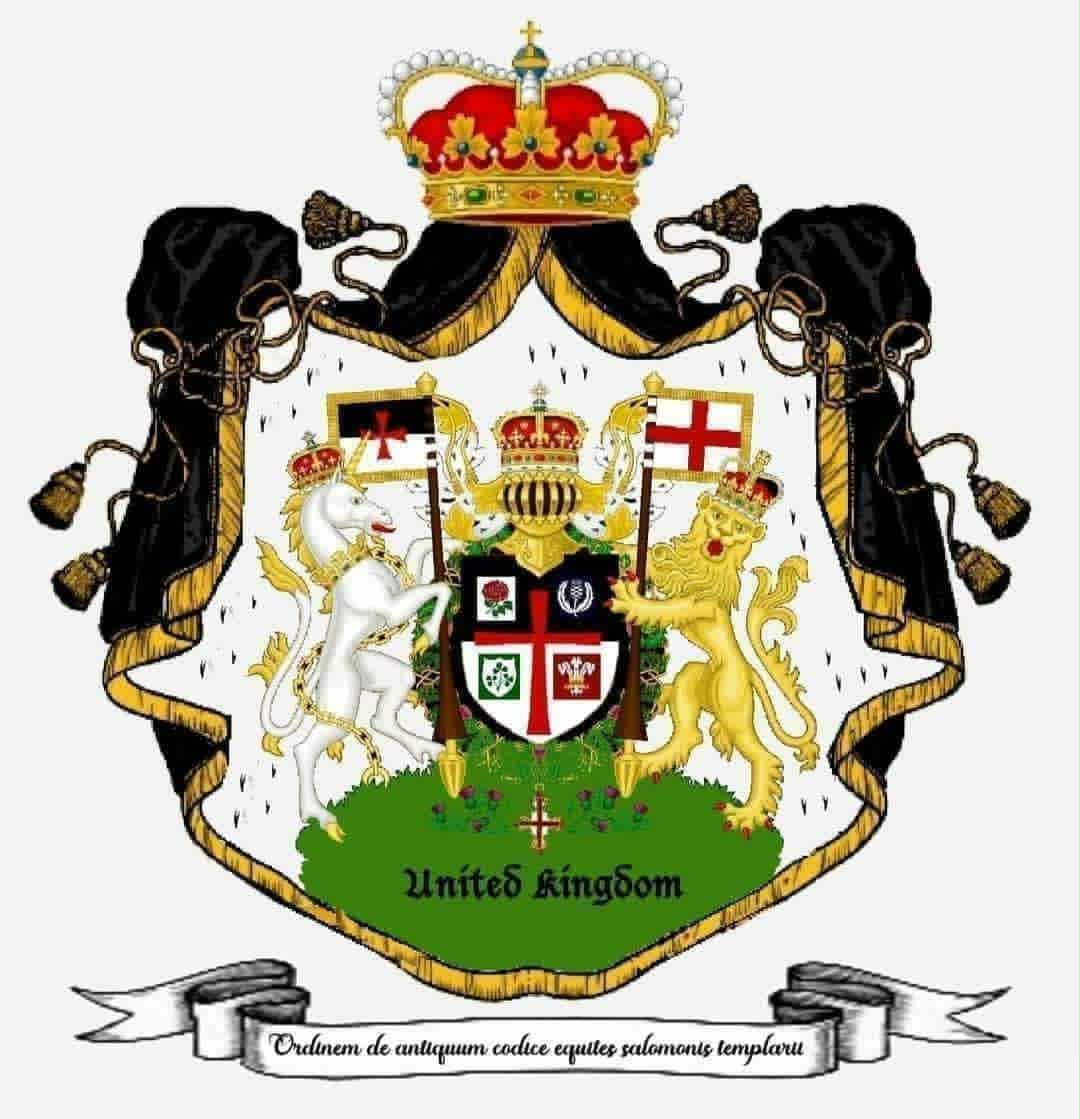
Download the Liturgical Prayer and Vows of Renunciation here. Can be done with a priest of the Anglican or Catholic tradition.
Freemasonry Discernment and Renunciation Guide, to help you discern Freemasonry within your church or family and how, as a Knight Templar of the Old Code, you can renounce it. We are protectors of the Faith in Christ, and we need to defend the truth of the Gospel and Word of God.
Renouncing Freemasonry for the Order of the Knights Templar
The choice to renounce Freemasonry in favor of the Order of the Knights Templar is often influenced by a variety of factors, including philosophical beliefs, personal convictions, and spiritual aspirations. Both organizations share a rich history and are steeped in tradition, yet they serve different purposes and appeal to different aspects of a member’s journey.
Historical Context
Freemasonry, which traces its roots back to the late 16th century, emphasizes moral and ethical development through allegorical teachings, rituals, and fraternal connections. Members are encouraged to pursue knowledge, charity, and self-improvement.
In contrast, the Knights Templar, founded in the early 12th century, originally served as a military order during the Crusades. Today, it is associated with chivalric values, religious devotion, and a mission centered around supporting Christianity and humanitarian endeavors.
Reasons for the Shift
- Spiritual Alignment: Many individuals seeking a deeper spiritual connection may find the Templar ethos more aligned with their beliefs, particularly its emphasis on faith and devotion to God.
- Chivalric Values: The Knights Templar’s focus on knightly virtues—bravery, honor, and service—can be a strong draw for those who aspire to embody these principles in their daily lives.
- Desire for Tradition: The ritualistic and historical aspects of the Templar order, with its medieval roots and connection to legendary tales, can appeal to those yearning for a more historical narrative in their life and active participation in traditions that shape their identity.
- Personal Fulfillment: Some may feel that their needs or ambitions are better met within the Templar framework, which offers a more defined purpose, particularly surrounding community service and faith-based activities.
The Process of Renunciation
Renouncing Freemasonry typically involves a formal declaration, and the process may vary depending on the lodge’s regulations. This declaration is often accompanied by a personal reflection on one’s motivations for making such a significant change.
Upon entering the Knights Templar, new members may find themselves immersed in a set of rituals that, while distinct from those in Freemasonry, also focus heavily on moral lessons, brotherhood, and spiritual growth.
Conclusion
Choosing to renounce Freemasonry for the Order of the Knights Templar is a profound decision that reflects a member’s evolving beliefs and pursuits. Whether it stems from a desire for deeper faith, chivalric ideals, or a connection to historic traditions, this transition marks a significant step in one’s personal and spiritual journey, guided by a commitment to a new set of values and communal goals.